Your business requires regular cleaning scheduled according to risk factors, food processing capacity, food allergen presence, and regulatory checks, plus documented records demonstrating HACCP compliance, inspection results, and public health standards. The information below describe essential sanitation program components.
Essential Summary
- Brampton's food safety cleaning specialists clean for restaurants, grocery departments, commissaries, warehouses, bakeries, schools, mobile vendors, and allergen-sensitive operations.
- They sanitize high-touch surfaces, food-contact equipment, kitchens, floors, drains, restrooms, and storage areas using area-specific procedures to prevent cross-contamination.
- Approved contractors verify proper chemical concentration, appropriateness, and contact time, then record finalization with tests, assessments, and corrective-action records.
- Risk, output capacity, switches, releases, and standards ought to shape cleaning schedules, with routine, recurring, and seasonal tasks allocated by zone.
- Contractors need to exhibit hazard analysis knowledge, sanitation knowledge, WHMIS training, coverage, endorsements, coded instruments, and audit-ready hygiene documentation.
Which Brampton Venues Need Food Safety Cleaning?
Food safety cleaning is mandatory for any Brampton facility that deals with, keeps, prepares, packages, or provides food. Apply it to your business if it meets the criteria for health oversight, food standards, or HACCP systems. This includes food service venues, employee dining, supply facilities, retail sections, butcheries, seafood counters, retail shops, and facility kitchens.
You'll also need adherent sanitation standards in supply facilities, manufacturing operations, cold storage warehouses, bakeries, school food programs, reception halls, and delivery services. Mobile and temporary businesses are included, examples being mobile kitchens, market vendors, and seasonal booths. If your staff handle raw materials, divide prepared dishes, warm finished meals, or maintain allergen storage, your facility requires established hygiene documentation. In Brampton, hygiene is compulsory; it forms statutory, functional, and public health compliance.
Which Areas Do Brampton Cleaning Experts Cover?
You need skilled cleaning experts who disinfect high-touch surfaces, cooking areas, floor areas, and bathrooms to ensure compliance with food safety and health standards. These areas are targeted due to their high cross-contamination potential, falling hazards, and health code violations.
If you comprehend their cleaning services, you'll successfully ensure your facility meets all operational and regulatory compliance needs.
Key High-Touch Surface Cleaning
establish how regularly each point is cleaned
replacing cleaning materials consistently, following one-way workflows, and organizing cleaning tools according to location. Such practices ensure your cleaning protocol verifiable, well-documented, and ready for inspection at all times.
Kitchen Areas, Floor Surfaces, and Bathroom Spaces
Brampton cleaning services zero in on kitchens, floors, and restrooms as each zone involves distinct food safety, accident, and wellness concerns. In industrial kitchens, you need grease removal from cooking stations, appliance surfaces, drain systems, preparation areas, and backsplashes to minimize contamination and pest pressure.
Documented floor care is also provided as part of the service.
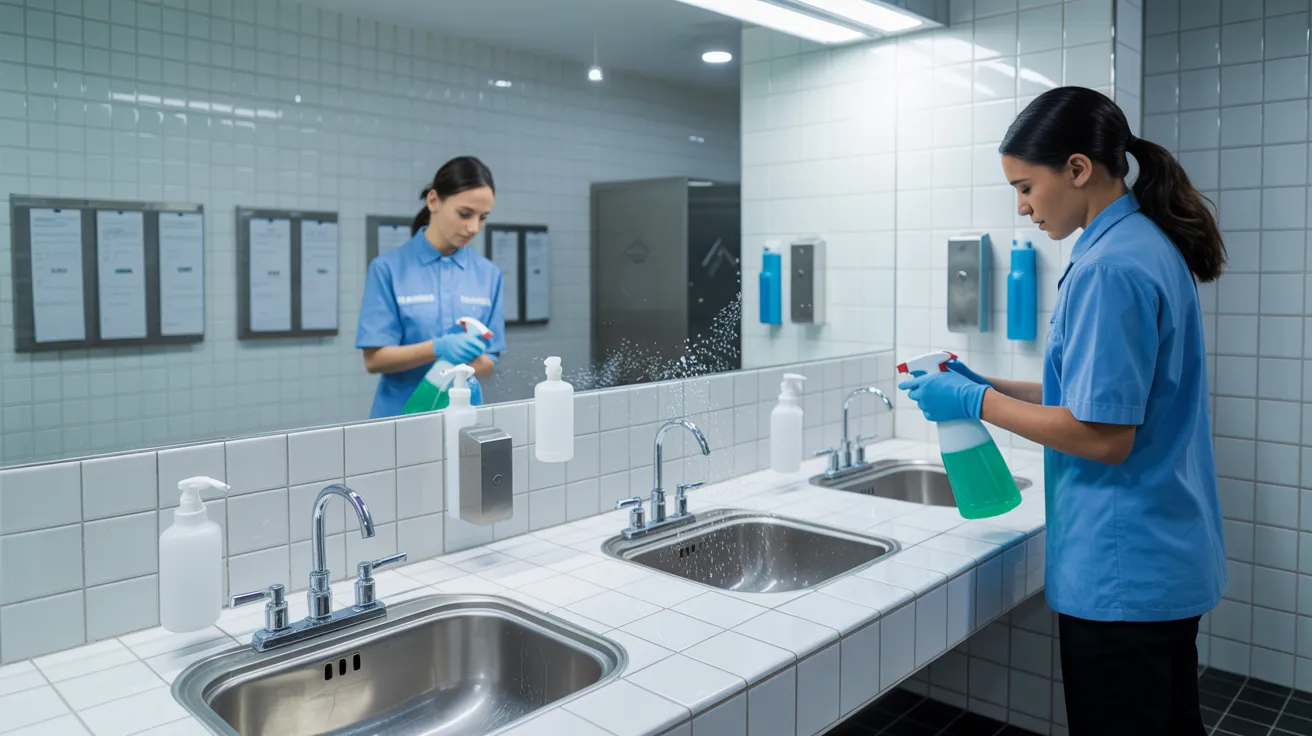
For restroom sanitation, cleaners sanitize high-touch surfaces, bathroom fixtures, stall dividers, supply dispensers, and trash receptacles, then replace products and reduce odor. They also service restaurant moprooms, where chemical storage, sink hygiene, and drainage conditions can affect sanitation compliance and staff safety daily.
Why Food Safety Cleaning Matters in Brampton
To comply with regulatory mandates and succeed in audits, Brampton establishments must maintain appropriate cleaning protocols. You also reduce bacterial spread through proper cleaning of food-preparation surfaces, appliances, and frequently-touched items. Most importantly, you safeguard community wellness by reducing the chance of food poisoning in your establishment.
Regulatory Code Requirements
Brampton food businesses must comply with strict public health standards, so sanitation practices is essential to adhering to health codes, safeguarding customers, and avoiding penalties. You must maintain clean food preparation areas, documented cleaning schedules, safe chemical management, and traceable training practices that correspond to municipal and provincial inspection expectations.
When inspectors evaluate your operation, they evaluate whether your hygiene protocols supports protected inventory management, tool sterilization, garbage disposal, and washroom maintenance.
Cross-Contamination Prevention
Meeting regulatory requirements also depends on your capacity to stop cross-contamination during daily food handling and cleaning. You must separate raw ingredients from ready-to-eat foods, clean work areas after each use, and keep cleaning products separate from food areas. Established guidelines minimize contamination chances and support consistent compliance during inspections.
Building allergen segregation prevents key allergens from reaching shared surfaces, containers, or equipment. Utilize dedicated cutting boards, color-coded tools, and precise instrument labeling so staff don't mix items during preparation or service.Enforce handwashing after handling raw meat, seafood, eggs, or allergen-containing products. Refresh cleaning cloths frequently, and confirm disinfectant efficacy using test strips. When you train staff to follow these controls every shift, you foster a cleaner, more secure operation that meets Brampton's food safety expectations daily.
Public Health Protection
Should cleaning standards collapse, you don't simply encounter inspection problems—you expand the odds of contamination-related sickness impacting customers, staff, and the wider Brampton community. You also weaken your role in safeguarding community wellness, especially in high-traffic food premises where pathogens travel quickly through surfaces, equipment, and touchpoints.
You must implement cleaning procedures that eliminate contaminants, effectively sanitize, and verify results. This involves maintaining exposure times, deploying approved disinfectants, maintaining records, and coaching staff to fulfill health-unit expectations. These actions support pathogen control by reducing microbes before affecting food surfaces or hands. In Brampton, effective cleaning protects at-risk groups, minimizes disease spread, and demonstrates accountability. When you maintain standards, you exceed requirements—you substantially reduce risk and promote secure food service throughout the city.
How Can Cleaning Practices Ensure Food Safety Compliance?
Establishing rigorous cleaning routines enhances food safety compliance by minimizing contamination hazards, managing pathogen expansion, and ensuring your facility complies with sanitation requirements under HACCP-based programs and public health regulations. You ensure that product-contact areas stay visibly clean and microbiologically controlled, facilitating documented preventive controls and inspection readiness.
Conscientious cleaning additionally solidifies allergen prevention by clearing residues that can trigger undeclared allergen exposure. When you integrate approved sanitation protocols with standards training, your staff can follow uniform procedures, handle approved chemicals accurately, fill out documentation properly, and respond to deviations before they escalate. Regular cleaning supports audit trails, verifies remedial measures, and exhibits responsibility throughout audits. Moreover, it supports you preserve quality assurance, preserve operational adherence, and reduce the chances of compliance actions, market recalls, complaints, and preventable public health risks.
When Should You Schedule Commercial Cleaning?
You'll get the best results from cleaning plans that account for risk factors, production rates, and compliance obligations rather than a unchanging calendar system alone.
risk factors, production capacity, or regulatory standards change
What Should You Look For in Brampton Cleaning Experts?
Begin by evaluating providers based on food-safe sanitation requirements—not solely on price alone. You should confirm that each organization comprehends CFIA, public health, and HACCP-based requirements applicable to your facility. Request insurance certificates, WHMIS compliance, staff training documentation, and oversight procedures. Assess whether technicians recognize cross-contamination risks, chemical handling protocols, and verifiable sanitation records.
You must also evaluate operational reliability and accountability. Seek references from Brampton food companies, then assess response speed, corrective-action procedures, and communication standards. Ensure the company enables supplier checks and can provide inspection-ready documentation when authorities or third parties demand verification. Verify equipment care, colour-coded tools are deployed correctly, and operational-specific risks are understood. A qualified provider safeguards compliance, product safety, and your brand reputation.
What's included in a sanitation cleaning strategy?
Document a framework that outlines every sanitation activity, guideline, and role before production begins. You should include cleaning schedules, approved products, ratios, contact periods, tools, and validation approaches for each area, surface, and device. Ensure you include pre-operational inspections, corrective actions, and employee training requirements.
Your framework should also include cross-contamination controls, waste handling, pest-prevention measures, and documented schedules for restrooms, drains, floors, and food-contact areas. Specify how you'll distinguish raw from ready-to-eat operations, support ingredient tracking, and maintain accurate allergen labeling through validated cleaning between product changes. You should establish accountability, maintain signed records, and review results against regulatory standards, HACCP controls, and customer requirements. When gaps appear, revise procedures immediately https://mwaccommercialsanitation.ca/ and re-educate staff.
Frequently Asked Questions
Are cleaning services available for overnight shifts in Brampton facilities?
Yes, you can arrange sanitation coverage to accommodate overnight shifts in Brampton facilities. You'll coordinate overnight sanitation around operational schedules, access controls, and staffing requirements. Services generally outline nightshift logistics to minimize interruption, ensure adherence, and document completed tasks. You should confirm response times, oversight, lockout procedures, and disposal methods before service begins.
Do sanitation professionals provide emergency spill response services?
Yes, you can discover many Brampton cleaning professionals providing hazard containment services. They manage contamination, assess dangers, isolate contamination, and initiate rapid cleanup to minimize exposure and avoid operational impact. You should confirm timeframes, certifications, safety protocols, and disposal methods. If your facility must meet compliance standards, pick a provider that documents events, adheres to standards, and ensures audit compliance.
Do plant-based disinfectants work safely on food preparation areas?
Absolutely, natural disinfectants can be secure for surfaces contacting food when you choose solutions certified for food use and regulatory compliant. You must validate application timing, dilution ratios, and rinse procedures prior to application. Botanical formulations lower chemical hazards, though you must obtain demonstration of efficacy against harmful bacteria. For maintaining residue free surfaces, adhere to manufacturer directions precisely and ensure the sanitizer meets applicable food industry sanitation standards.
Can cleaning schedules adjust with production fluctuations?
Absolutely, sanitation programs are customizable for seasonal variations. Modify frequencies, staff levels, chemicals, and verification steps to correspond to production rhythms while maintaining regulatory adherence. Reduce equipment downtime through organizing sanitization surrounding line changes, peak volumes, and usage patterns. Additionally, update SSOPs, instruction programs, and environmental monitoring to account for seasonal hazards, new allergens, or increased soiling. Frequent reviews preserve the schedule current.
Will professional cleaning services train employees on hygiene best practices?
Indeed, commercial cleaning providers often offer staff training on sanitation best practices. Your staff receives instruction on safe chemical application, contact times, cross-contamination prevention, equipment breakdown, and documentation. They typically follow instruction with HACCP, GMP, and CFIA or local public health criteria. Many also execute sanitation audits to verify compliance, identify gaps, and strengthen improvement measures. This assists you to establish reliable processes, pass inspections, and reduce food safety risks each day.
Final Thoughts
When you work with Brampton food safety and commercial cleaning specialists, you don't just tidy up—you keep your operation audit-prepared and your protocols compliant. From processing areas to kitchen spaces, every polished surface and well-kept corner minimizes pest intrusion and prevent costly setbacks. By scheduling service at the proper frequency and adhering to a detailed cleaning schedule, you protect employees, customers, and your reputation. In a strict regulatory setting, sanitary conditions aren't optional—they're fundamental to proper operations.